Commercial Scrap Metal Recycling for Chicago Heights, IL Job Sites: What Contractors Need to Know
Job sites in Chicago Heights, IL, generate significant volumes of construction scrap metal, and understanding how commercial recycling handles that volume can convert a disposal cost into a revenue line. Commercial scrap metal recycling is not just a compliance checkbox for active sites in the area. It is a structured, job-site-integrated process that keeps work zones cleaner, reduces haul-away costs, and puts money back into a project budget. Chicago Heights, IL, sits within a region of ongoing industrial, commercial, and infrastructure activity, and contractors operating in that corridor are generating the exact materials that have real market value if managed correctly from day one.
How the Job Site Container Workflow Actually Works
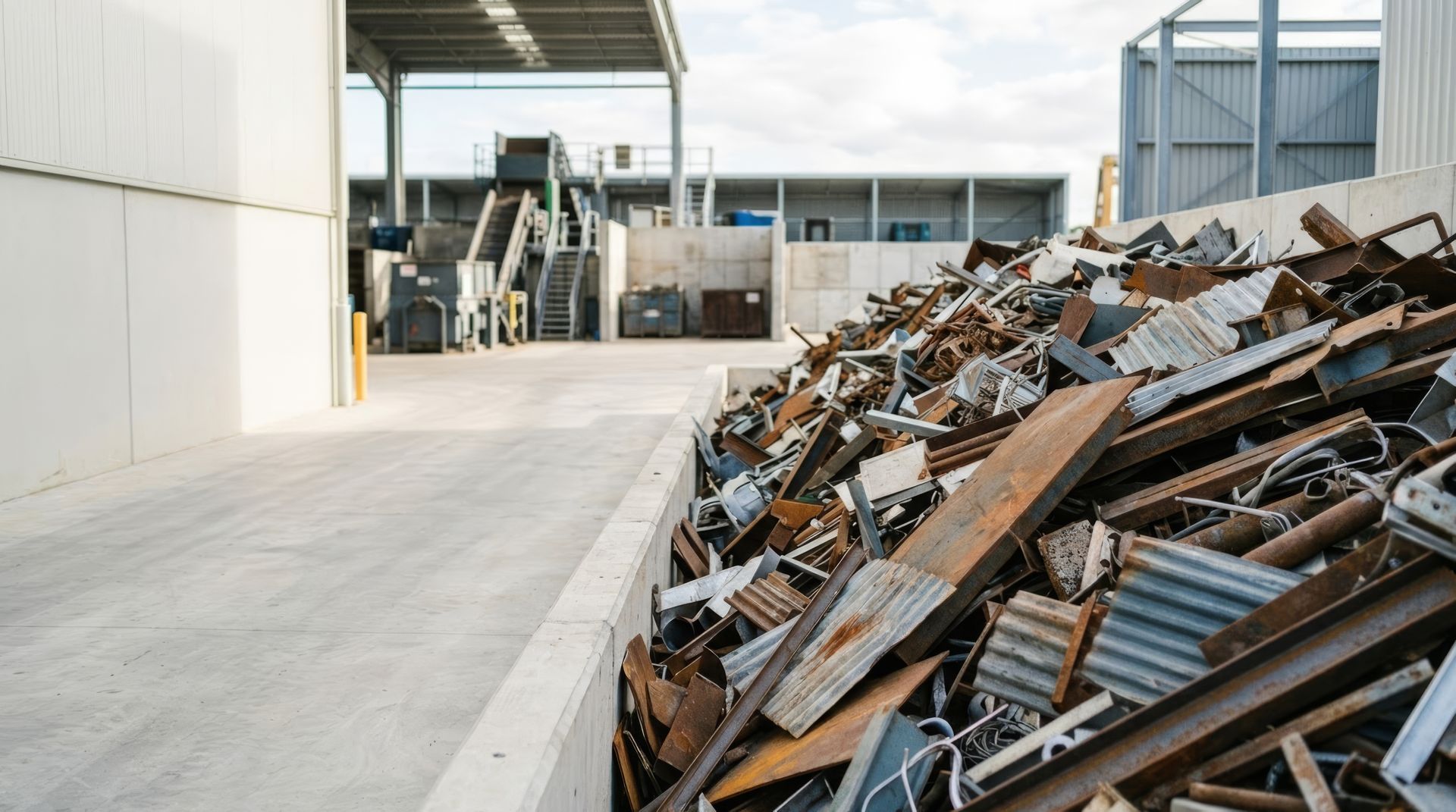
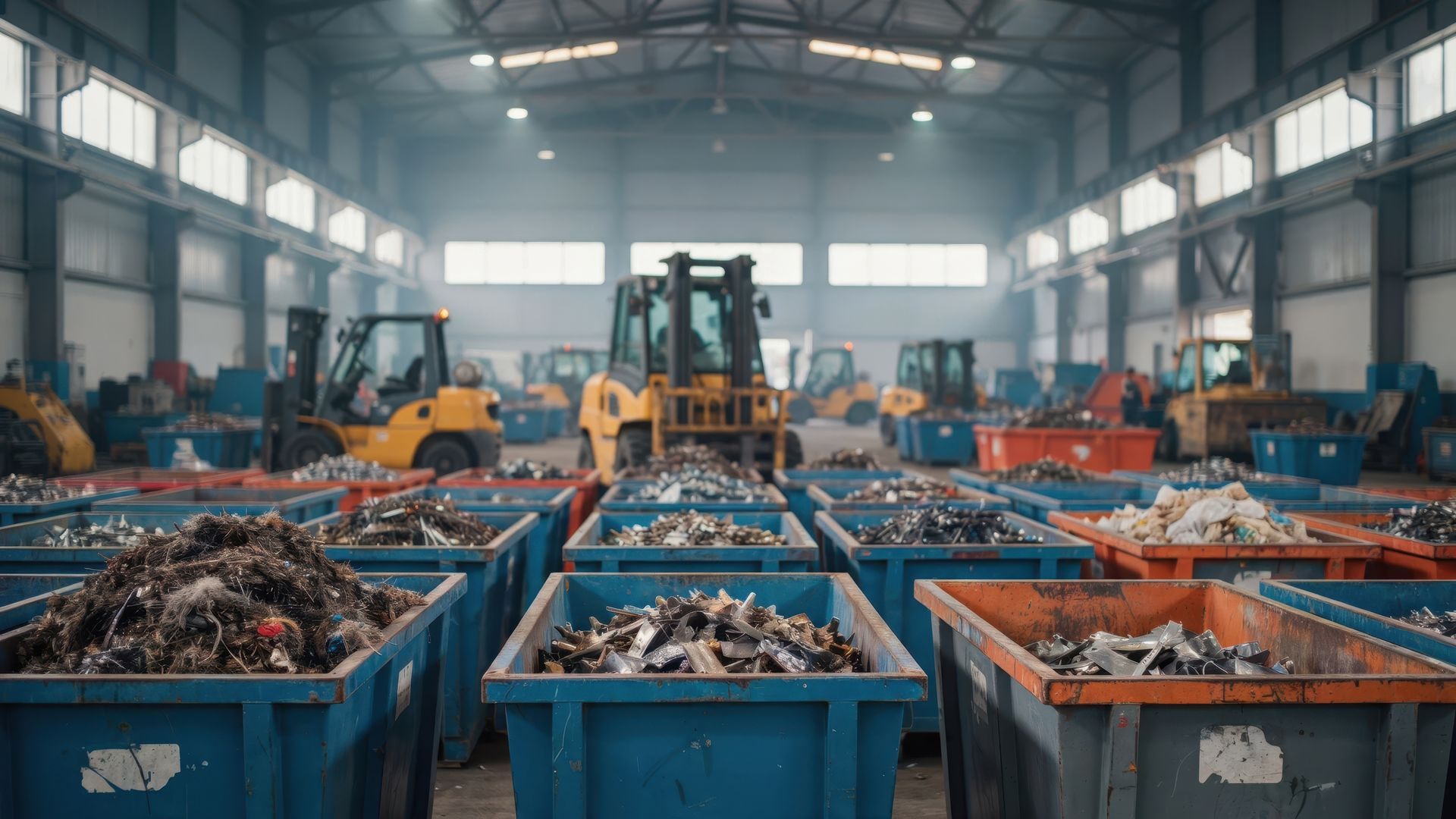
A roll-off container placed at project start is the foundation of an efficient construction scrap metal recycling program. Rather than letting steel, rebar, copper, and aluminum accumulate in mixed debris piles, a dedicated metal container keeps recyclables separate from general waste from the first day of demo or ground-up construction. This separation step matters more than most project managers realize, because mixed loads contaminated with concrete, wood, or drywall can reduce or eliminate the payout you would otherwise receive for clean metal.
The sequence is straightforward. A container is placed on the active site at the start of the project or at the beginning of a major phase. As demolition and construction progress, structural steel, rebar, copper plumbing, aluminum framing, and other metal materials go directly into the container. When the container is full or a project phase wraps up, it is swapped out or hauled to the yard. The load is then weighed on calibrated scales, priced at live market rates, and payment is issued. That sequence is what converts what would otherwise be a disposal cost into a revenue line.
Container Sizes for Construction Volume
Roll-off containers come in multiple sizes so the fit can match the actual pace of a job site. Smaller containers may suit a targeted interior demolition, while 30 and 40-yard containers are better suited for large structural steel and mixed-load projects. Choosing the right size up front reduces the number of swaps needed and keeps the site moving without interruption.
What Materials Does Construction Scrap Metal Recycling Accept?
Commercial scrap metal recycling <https://www.bigdaddyscrap.com/commercial-scrap-metal-recycling-chicago-heights-il> accepts a wide range of ferrous and non-ferrous materials from active job sites. Chicago Heights area contractors can expect the following materials to be accepted from demolition and new construction work:
- Structural steel, including beams, columns, and decking.
- Rebar from concrete demolition and formwork.
- Copper plumbing pulled during gut renovations or systems upgrades.
- Aluminum framing, window frames, and curtain wall components.
- Mixed demolition loads that include combinations of the above.
Separating non-ferrous metals like copper and aluminum from ferrous steel before or during loading can improve payout, since non-ferrous commodities typically carry higher per-pound pricing. That said, even mixed loads can be processed at the yard, so contractors do not need to sort everything on site if the timeline does not allow for it.
Ferrous vs. Non-Ferrous: Why the Distinction Matters on a Job Site
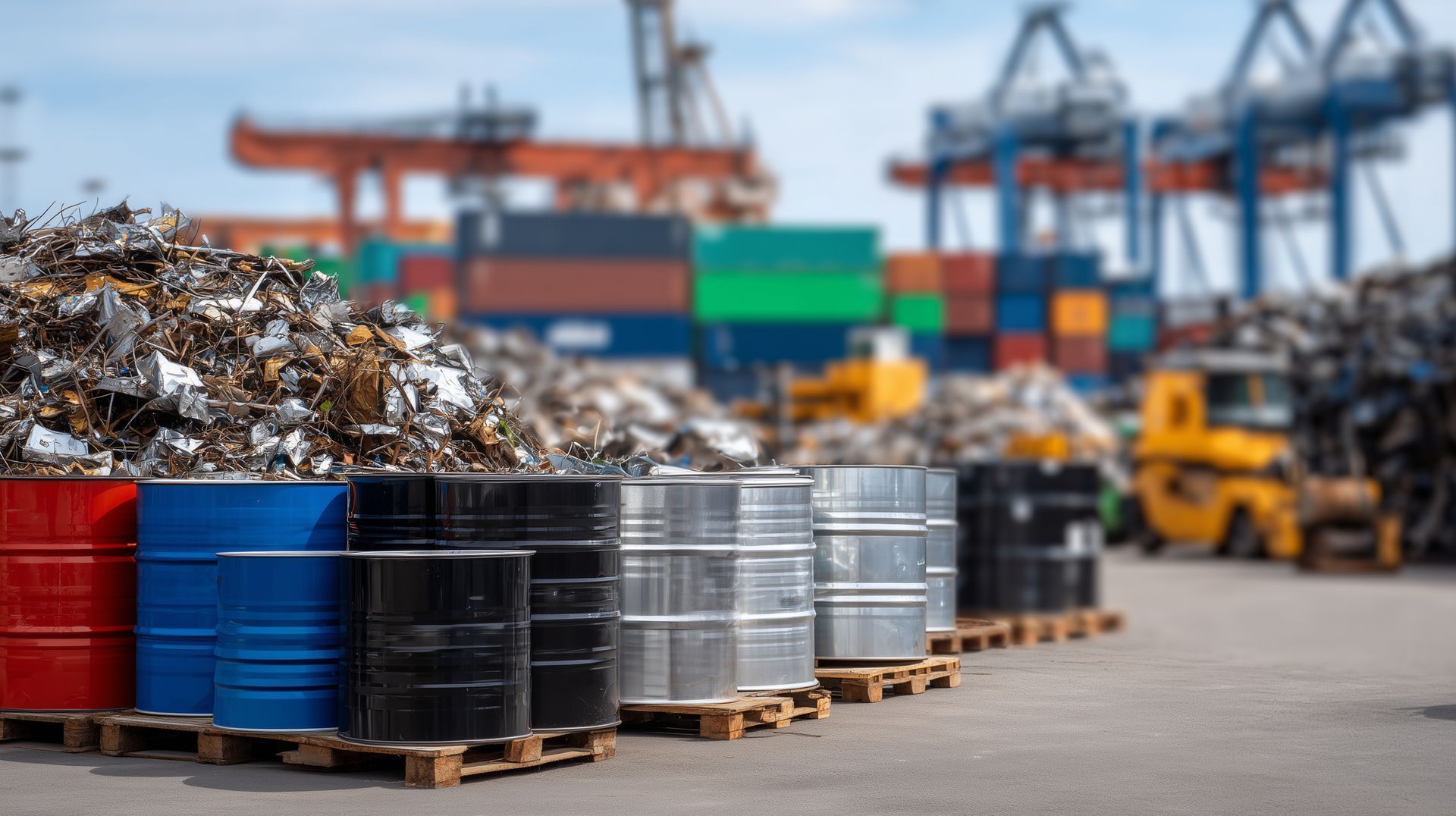
Ferrous metals like structural steel and rebar are priced by weight in bulk. Non-ferrous metals like copper plumbing and aluminum framing carry higher per-pound rates. On a large commercial project, even a modest volume of copper pipe or aluminum framing can represent meaningful return. Keeping those materials in a separate Gaylord box or section of the roll-off container, rather than letting them mix into general iron, may increase the total payout from a single container pull. Project managers who track this from phase one often see the difference in the final reconciliation.
Turning Disposal Costs Into Construction Revenue
A commercial scrap metal recycling account structured around a container means contractors are no longer paying to haul mixed construction debris that includes metal. General waste haulers typically charge by load and offer nothing in return for the metal content mixed in. A commercial account with container service captures the value of that metal systematically, rather than surrendering it to a general disposal bill. For Chicago Heights, IL, contractors running multi-phase projects, that difference can accumulate significantly across a job.
Contractors looking for reliable commercial scrap metal services will find that construction scrap metal recycling works best when it is integrated into the project plan rather than treated as a cleanup afterthought. The earlier a container is on site and the earlier the crew understands what goes in it, the cleaner the load and the better the payout at the scale.
Swap Scheduling as Projects Progress
Container scheduling can align with project phases rather than requiring a set calendar interval. When a demolition phase wraps and framing begins, that is often the right moment to pull a full container and reset with an empty one. Coordinating swap timing with project milestones rather than arbitrary pickup dates keeps the site organized and ensures the crew always has a container available during the heaviest scrap-generating phases.
Ready to Put Your Chicago Heights Job Site on a Commercial Account?
Big Daddy Scrap, located at 551 E. Lincoln Highway in Chicago Height, provides commercial scrap metal recycling services for contractors, demolition crews, and project managers throughout the Chicago Heights, IL, area. The yard handles structural steel, rebar, copper plumbing, aluminum framing, and mixed demolition loads, with roll-off containers available in 10, 20, 30, and 40-yard sizes to match the volume and pace of active construction projects. Loads are weighed on calibrated scales and payment is issued at live market rates. A dedicated container account is the most reliable way to convert job site metal into consistent project revenue. To set up a commercial container account or schedule a container for an active job site, call 877-587-2727 or visit Big Daddy Scrap to connect with the team directly.