Chicago Heights, IL Metal Recycling: From Cleanouts to Commercial Loads
Metal recycling in Chicago Heights, IL, covers a wider range of customers and load types than many people realize, and understanding how the process works for each can help you decide the best way to move your scrap. Whether you have a single water heater sitting in a garage or a full demolition load waiting on a job site, the yard at 551 E. Lincoln Highway handles it all. Metal recycling in Chicago Heights, IL, runs seven days a week, with no minimum load requirement and live pricing applied consistently to every customer who walks in. The goal of this article is to walk through three distinct customer situations and show what the experience looks like from start to finish for each.
The Residential Cleanout Customer
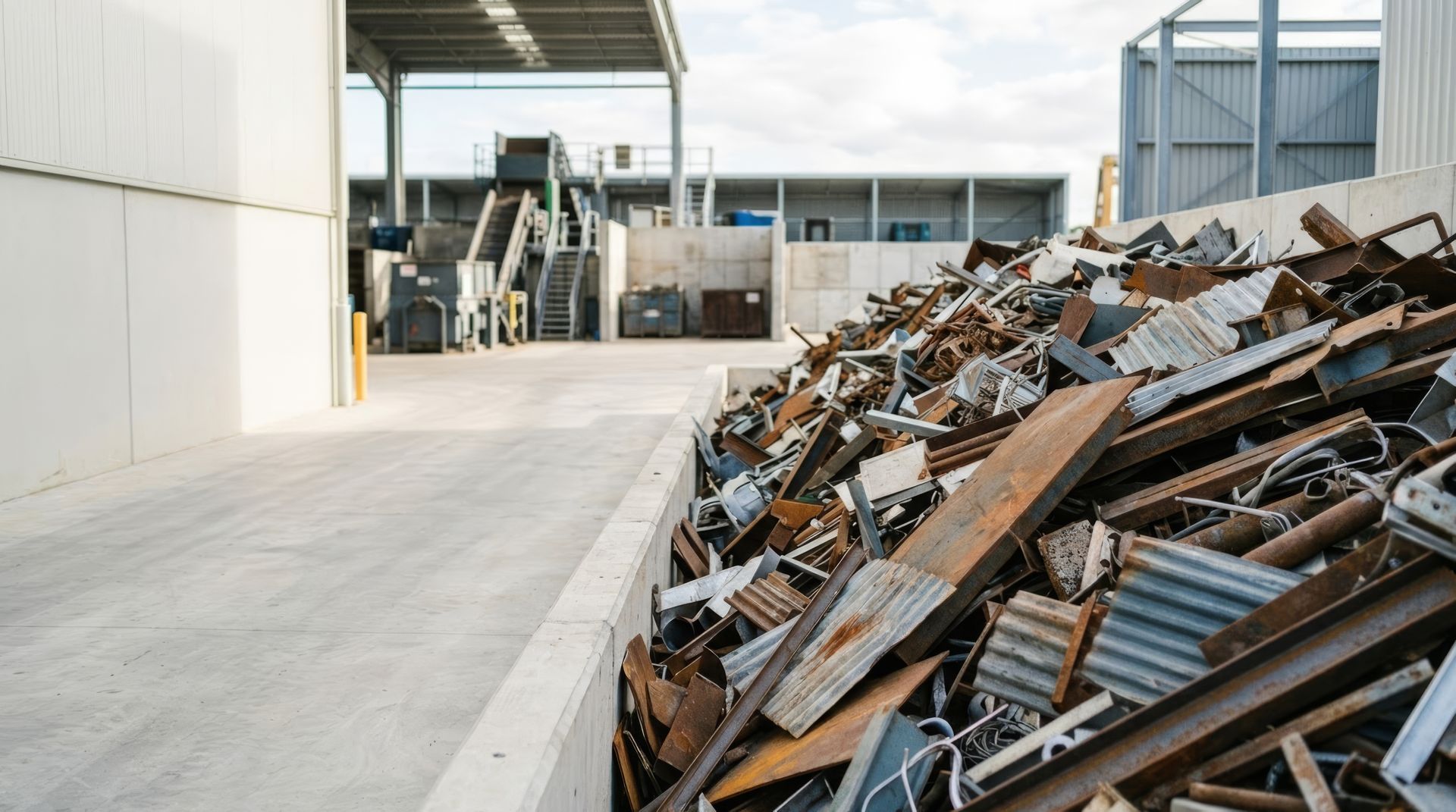
A Chicago Heights homeowner clearing out a garage has a legitimate reason to visit the yard. Metal recycling is a practical option for anyone dealing with leftover appliances, old equipment, or scrap materials after a renovation or estate cleanout. You do not need a truck full of sorted copper to make a trip worthwhile. Common residential items accepted at the yard include:
▸ Old appliances such as washers, dryers, and refrigerators.
▸ Water heaters and gas furnaces.
▸ Lawnmowers and outdoor power equipment.
▸Scrap steel, iron pipe, and copper plumbing pulled during a remodel.
▸House wire, aluminum window frames, and miscellaneous sheet metal.
One concern first-time residential customers often raise is whether their load is too small to bother. There is no minimum load at this yard. A single appliance qualifies. The team sorts and separates materials on arrival, which removes that burden from the customer entirely. Every load is weighed on calibrated scales, and cash payment is issued on the spot before you leave the property.
The Contractor and Construction Load
Contractors finishing a job site in the Chicago Heights, IL, area regularly generate significant volumes of ferrous and non-ferrous metal that needs to move quickly. Metal recycling is a straightforward way to clear a site and get paid at the same time rather than paying for dumpster hauls and disposal fees. Structural materials accepted from construction and demolition loads typically include:
▸ Rebar and structural steel.
▸ Copper plumbing and copper pipe.
▸ Aluminum framing and aluminum coils.
▸ Sheet metal ductwork and mixed demolition iron.
▸ Electric motors and heavy iron components.
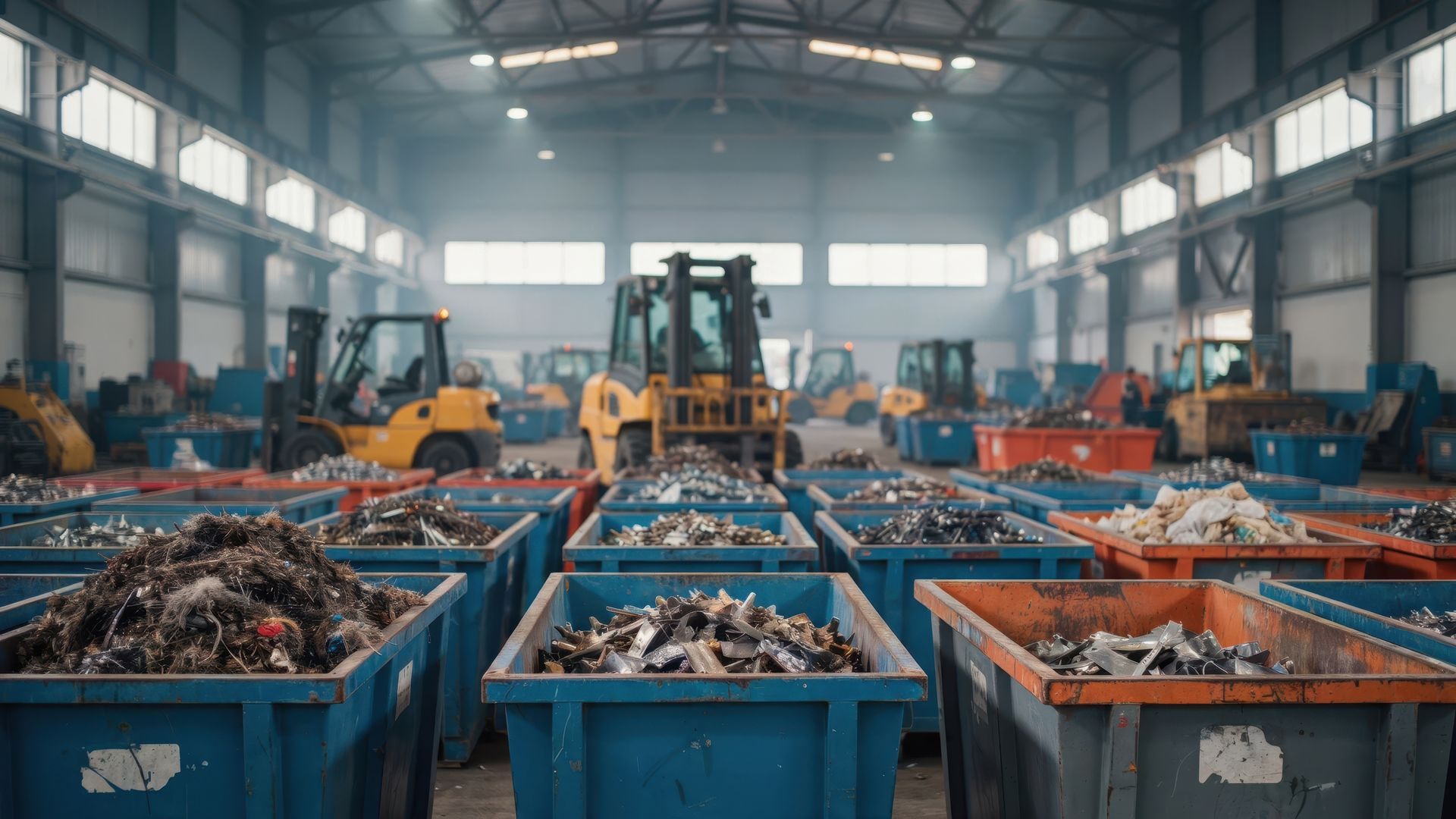
Contractors with high-volume loads can drop off directly at the yard or arrange container service depending on the size and nature of the project. The yard stocks 4x4 Gaylord boxes for non-ferrous sorting and roll-off containers in 10, 20, 30, and 40-yard sizes. That container fleet means the yard is equipped to handle a full job site cleanup without multiple trips or coordination delays.
The same live pricing and calibrated scales used for a residential drop-off apply to every contractor load. There is no pricing tier that favors large accounts over smaller ones. A contractor hauling a single trailer load receives the same transparent process as a crew clearing a multi-phase demolition site.
What Does a Commercial Account Look Like?
A business generating ongoing scrap in Chicago Heights, IL, may benefit from a standing commercial account rather than one-off drop-offs. Services and solutions built around a regular schedule can turn what would otherwise be an operational nuisance into a consistent revenue stream. Commercial accounts can include arrangements such as:
▸ Scheduled container pickup and delivery for businesses generating regular ferrous or non-ferrous scrap.
▸ Flexible service timing that keeps operations running without scrap piling up on site.
▸ Clean, well-maintained containers that reduce material contamination and help protect payout value.
Industries that commonly use commercial accounts in the south suburban Chicagoland area include manufacturing operations, fabrication shops, HVAC businesses, auto-related operations, and facilities that process mixed metal scrap as part of their daily workflow. For any business that produces scrap consistently, a standing account often delivers more predictable revenue and less scheduling friction than managing loads on an ad hoc basis.
Does Load Size Affect Pricing at the Chicago Heights Yard?
Pricing at the yard is applied consistently regardless of load size. The same calibrated scales and live commodity-based rates used for a residential bag of copper apply to a contractor's full truckload or a commercial account's container pickup. This is an important distinction for customers at both ends of the spectrum. A homeowner should not assume the yard is only for large commercial clients. A commercial operation should not assume the yard is equipped only for small walk-in loads. The container fleet and walk-in drop-off infrastructure at the Chicago Heights location are designed to serve the full range.
How Do Calibrated Scales Protect the Customer?
Calibrated scales remove the guesswork from the transaction. Every load is weighed on equipment designed to deliver an accurate measurement, and payout is calculated from that weight combined with current commodity rates. This means the weight you are paid for reflects what you actually brought in, not an estimate. It is one of the most consistent indicators that a yard is operating transparently, and it applies to every customer type at this location.
Get Started with Metal Recycling in Chicago Heights, IL
Metal recycling in Chicago Heights, IL, is accessible to everyone from a homeowner clearing a single appliance to a contractor wrapping up a full demolition load to a business setting up ongoing service. The yard at 551 E. Lincoln Highway is built to handle that full range without requiring customers to sort, separate, or meet a minimum load size before showing up. Big Daddy Scrap provides metal recycling services across the residential, contractor, and commercial spectrum from the Chicago Heights, IL, yard. To ask about container service, commercial accounts, or a drop-off, call 877-587-2727 or visit the Chicago Heights location page for more details. You can also find Big Daddy Scrap on Google Maps.