Do You Need a Permit for a Commercial Roll Off?
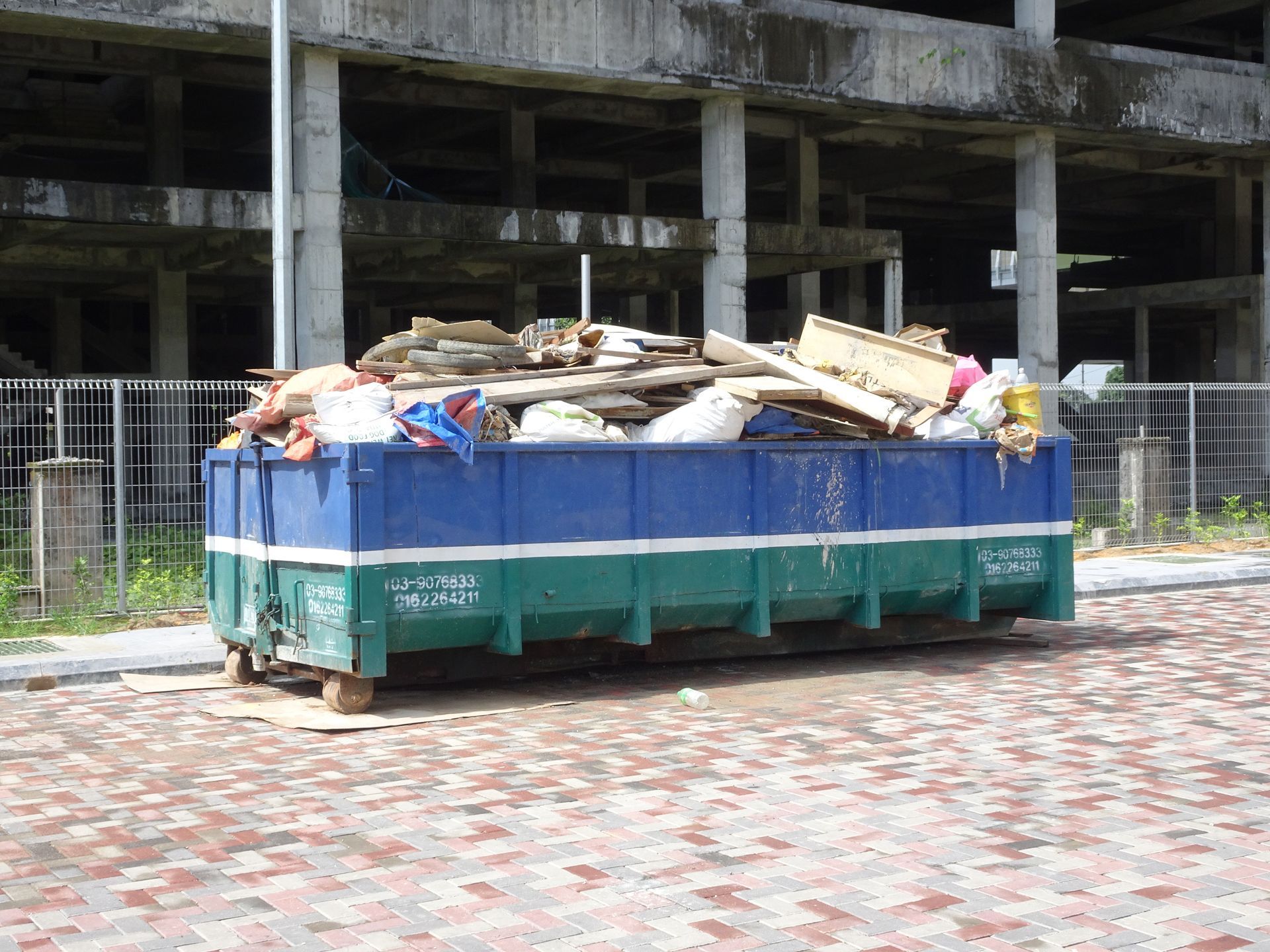
A Commercial Roll Off container may need a permit depending on where it sits, and the rules in Chicago Heights, IL, can differ from those in nearby suburbs. This guide explains what drives the answer and how to check before a container arrives. Knowing the rules up front can help you avoid delays.
Why Permit Rules Vary by Location
Permit rules are set locally, not by the container company. Each village and city decides what it requires for a container on its property or streets.
That means a Commercial Roll Off placed in one suburb may face different steps than one placed a few miles away. Rules can also change over time. Always confirm with the local office instead of relying on a neighbor's past experience.
Private Lot or Street Placement
The biggest factor is often whether the container sits on private property or on a public street. Here is how the two situations usually differ.
▸ Private lot: Many municipalities ask for little or no approval, but your lease or property manager may have rules.
▸ Street, alley, or sidewalk: A permit is often required because the container uses public space.
▸ Shared parking lot: The property owner may need to approve the spot, and the village may still have a say.
Because rules vary, treat these as common patterns and not as promises. Your local office has the final answer.
Who to Contact Before You Order
Start with your village or city office, since they can tell you exactly what applies to your address. The right department is often public works, the building department, or the village clerk.
Follow these steps before you schedule delivery.
1. Pick the exact spot where you want the container.
2. Call the municipality and describe the placement.
3. Ask whether a permit, fee, or time limit applies.
4. Get written approval from the property owner if you lease.
5. Share the approved details with your provider.
Questions to Ask the Municipality
A short list of questions can save you a second phone call. Write down the answers so you can share them later.
▸ Is a permit needed for this address and placement?
▸ How long can the container stay in place?
▸ Are there rules about distance from the curb or intersections?
▸ Do lighting or reflective markings apply on a street?
▸ How long does approval usually take?
Other Things That Affect Placement
Permits are only one part of choosing a spot. The location also has to work for the truck that delivers and picks up the container.
A Commercial Roll Off truck needs room to back in and lift. Overhead power lines, low branches, and tight corners can all cause problems. The ground matters too, because a loaded container is heavy.
Keep fire lanes, loading docks, and walkways clear. A good spot is flat, firm, and easy for your crew to reach.
Should You Wait for a Permit Before Booking?
Not always, but you should know the timeline first. The best approach is to ask about permit timing before you set a delivery date.
If a permit is needed, schedule delivery for after approval. If no permit is needed, you can book right away. Either way, tell your provider about any limits on how long the container may stay.
Common Permit Mistakes to Avoid
Many delays come from small oversights that are easy to prevent. Watch for these.
▸ Assuming a private lot needs no approval without reading the lease.
▸ Placing the container before approval comes through.
▸ Forgetting to ask how long the container may stay.
▸ Leaving the container where it blocks sight lines or access.
If your business has more than one site, check each address on its own. A Commercial Roll Off that is fine at one location may need approval at another. Keep copies of every approval in one folder so your crew can show them if asked.
Planning for Job Sites and Short Projects
Job sites add another layer. Construction and demolition projects often involve the property owner, a general contractor, and the municipality. Each one may have a say about where a Commercial Roll Off can go.
Short projects still need planning because approval can take time. Build that time into your schedule, and ask how to extend the placement if the work runs long.
Keep a Simple Record
Write down who you spoke with, the date, and what they said. A short note can settle questions later if a neighbor or inspector asks about the container. Share the same details with your crew so everyone knows the plan.
Plan Your Commercial Roll off With Confidence
Checking local rules early keeps your project on schedule. Big Daddy Scrap delivers and picks up scrap metal containers for businesses and job sites, and the team can talk through placement during a free consultation. Read reviews of Big Daddy Scrap on Google, learn more about commercial drop-off and pick-up service, or contact the Chicago Heights team. You can also call (877) 587-2727 to get started.