HVAC Scrap Metal in Chicago Heights, IL: A Contractor's Guide
HVAC scrap metal from a job site in Chicago Heights, IL, represents real revenue waiting to be recovered — but only if a contractor knows which materials matter most and how to handle them before the haul. Whether you are pulling a residential split system or replacing rooftop package units on a commercial building, what ends up in your truck can vary widely in per-pound value. This guide breaks down the HVAC scrap metal hierarchy and explains how sorting decisions made on the job site translate directly into cash at the yard.
Which HVAC Materials Are Worth the Most per Pound?
Copper is the highest-value material in any HVAC load. Copper refrigerant lines, fittings, and evaporator tubing can command a strong per-pound price when sold clean. "Clean" copper means stripped of insulation, free of solder, and separated from fittings where possible. A load of mixed copper sold commingled with other materials may be downgraded to a lower commodity grade, reducing what you earn per pound. That difference adds up quickly across a full season of mechanical replacements. The practical hierarchy for HVAC contractors looks like this:
- Copper refrigerant lines and fittings: highest per-pound value; separate and keep clean.
- Aluminum evaporator and condenser coils: second-highest non-ferrous return; keep separate from steel.
- Copper wiring from control systems and thermostats: adds to your copper weight; pull and bag separately.
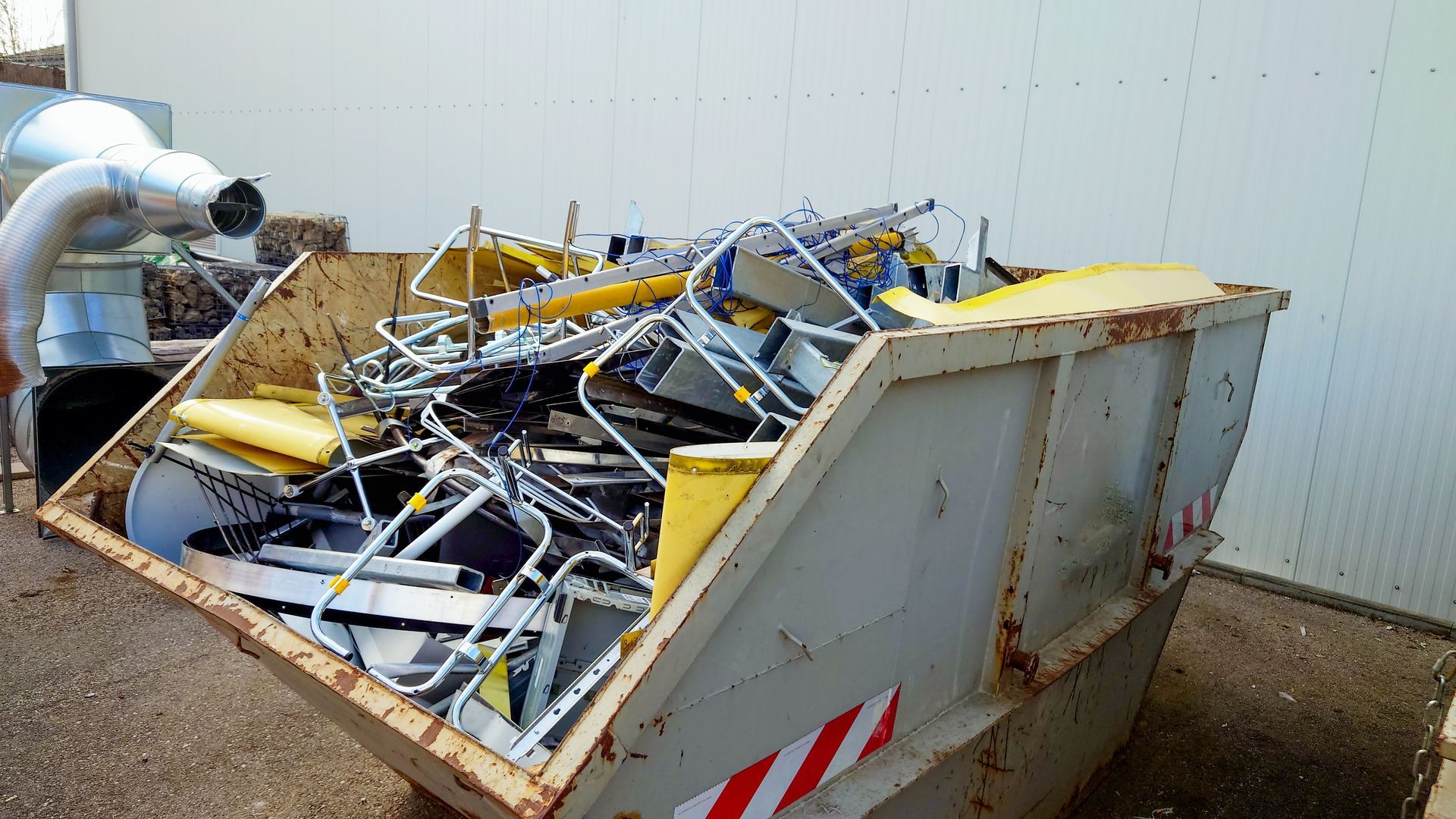
- Steel unit casings and structural framing: ferrous and lower per-pound, but meaningful volume on large commercial jobs.
Why Does Separation Matter So Much?
Sorting your HVAC scrap on the job site can directly increase what you earn per load. When copper is sold clean, it may qualify for a higher commodity grade than copper submitted in a mixed HVAC load. Similarly, aluminum coils separated from steel casings return more than the same materials submitted together as commingled scrap. The extra five minutes of separation per job can mean a measurably better payout when loads are weighed. Copper wiring pulled from control boards and thermostat runs is easy to overlook, but it belongs in your copper pile, not the general ferrous bin. Even small quantities add per-pound value to your non-ferrous total.
Construction Scrap Metal Recycling and Industrial Metal Recycling in Chicago Heights, IL
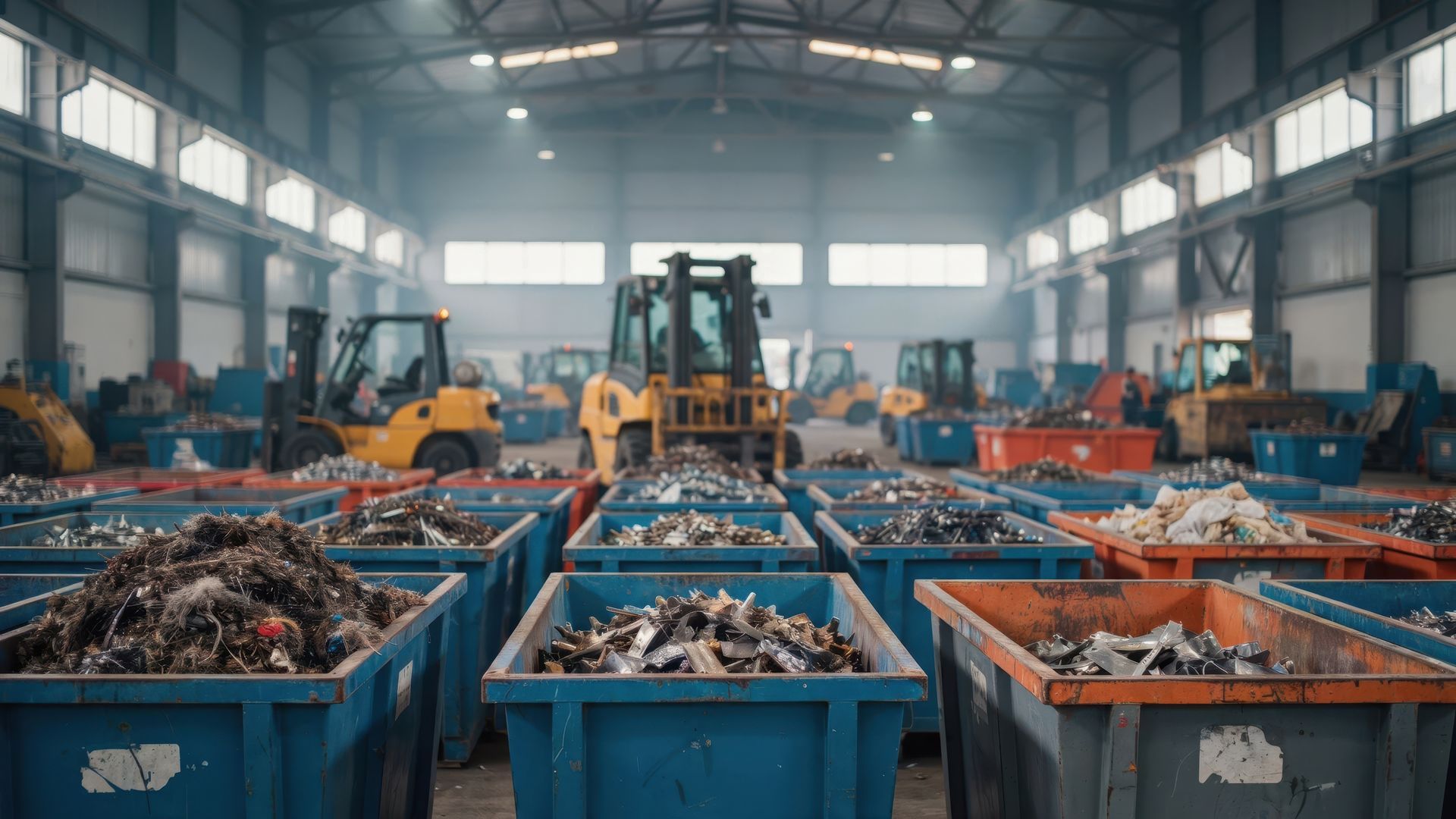
When an HVAC replacement runs alongside broader mechanical or structural work, the scrap stream grows fast. Copper plumbing removal, steel ductwork, and structural demo can all produce material worth recovering. Construction scrap metal recycling and industrial metal recycling both apply when a contractor is managing a multi-trade job site with mixed ferrous and non-ferrous output. Rather than managing separate disposal streams, HVAC contractors across the Southland can consolidate all job-site scrap in a single haul or pickup arrangement.
HVAC scrap metal recycling in Chicago Heights, IL, is a practical revenue decision for any contractor operating across the Southland region. For contractors who accumulate volume across multiple jobs before a haul makes economic sense, commercial pickup may work alongside drop-off. Knowing both options are available simplifies job-site scrap planning on every project.
Ready to Drop Off Your HVAC Scrap in Chicago Heights?
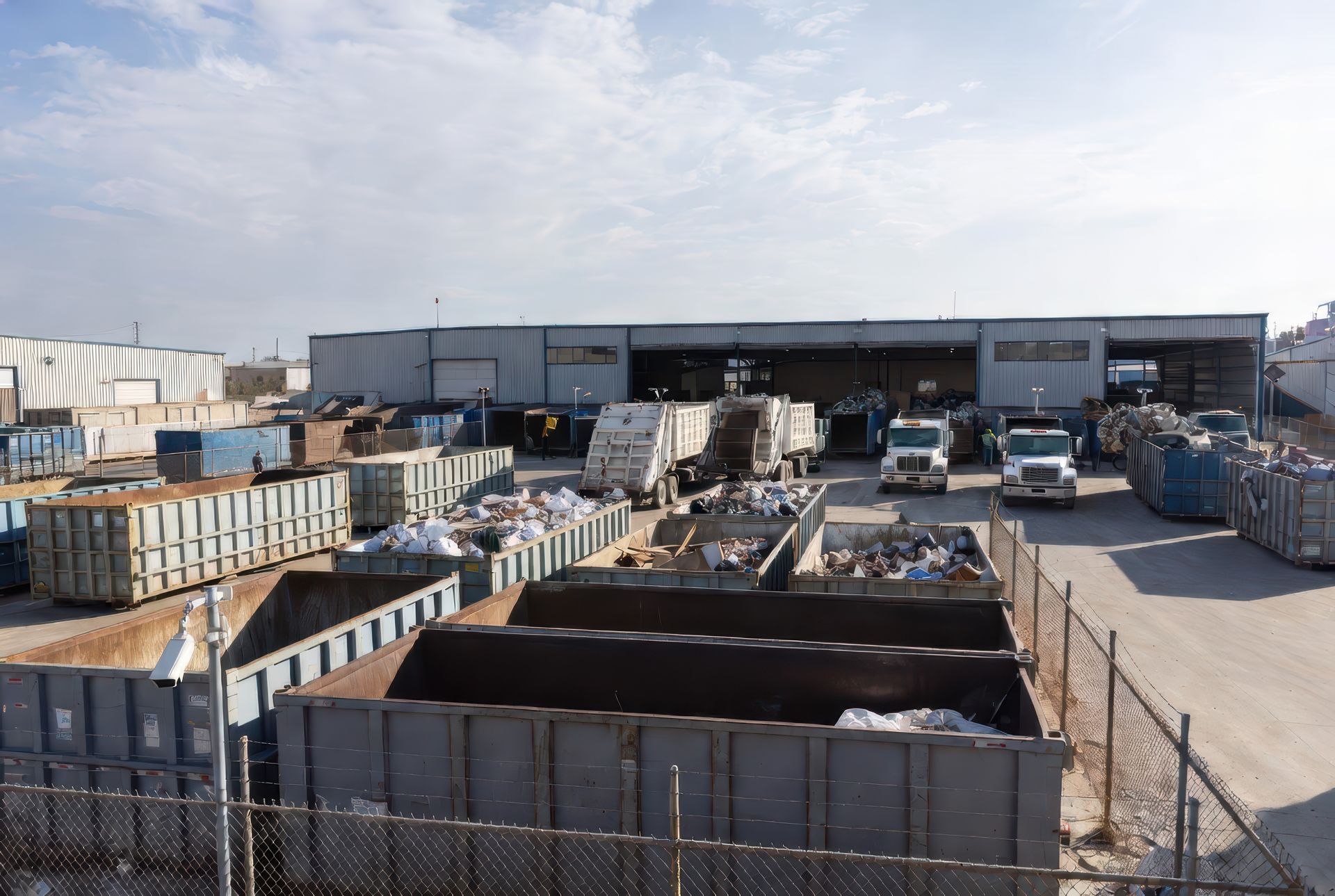
Big Daddy Scrap is located at 551 E. Lincoln Highway in Chicago Heights, IL, providing a convenient drop-off point for HVAC and mechanical contractors working across the Southland. Learn more about the
Chicago Heights location and what the yard accepts. Check current pricing at the
scrap metal pricing page and review
commercial recycling services for Chicago Heights contractors before your next haul. Call
877-587-2727 to ask about drop-off, commercial pickup, or container options. Read reviews and get directions at
Big Daddy Scrap on Google Maps. For HVAC and mechanical contractors working across the Chicago Heights Southland corridor, Big Daddy Scrap at 551 E. Lincoln Highway is the local yard that makes scrap revenue a routine part of every job.